blog posts
Collagen: A key molecule for longevity and anti-aging
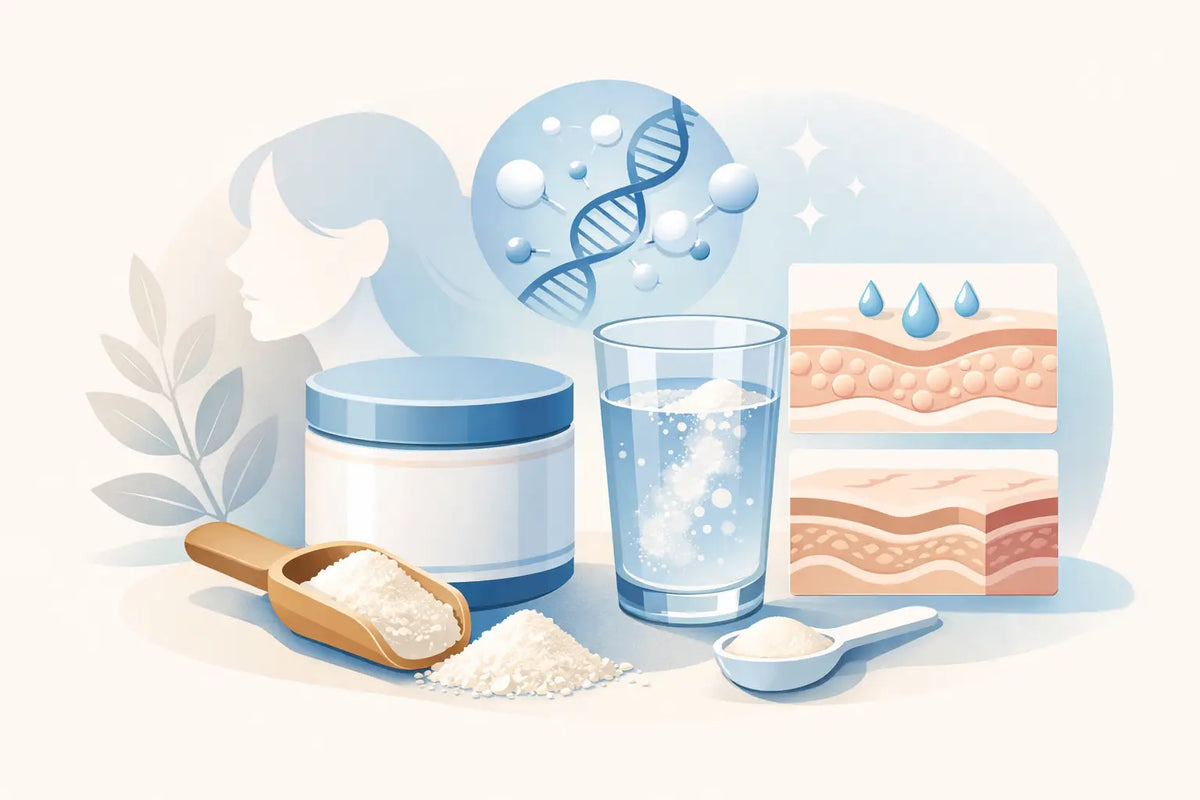
introduction Collagen is the most abundant protein in the human body and plays a crucial role in the structure and integrity of tissues. As a fibrillar protein found primarily in skin, bones, tendons, and connective tissue, collagen is critical for supporting skin structure, joint function, and bone health. In recent years, collagen has received significant attention from both academia and the cosmetics industry due to its potential role in promoting longevity and anti-aging processes. This article explores the structure of collagen, its biological function, and how it may contribute to slowing the aging process. Structure and function of collagen Collagen is a fiber-forming protein consisting of three polypeptide chains that join together to form a triple helix. There are at least 28 different types of collagen, with types I, II, and III being the most common: Type I: Dominant in skin, tendons, bones and connective tissue. Type II: Found mainly in cartilage tissue. Type III: Common in skin, blood vessels and internal organs. These different types give collagen high flexibility and tensile strength, making it an essential component of tissues that must withstand mechanical stress. Collagen and skin aging As we age, the body's collagen production decreases, leading to thinning skin, loss of elasticity, and the appearance of wrinkles. These changes are characteristic of the visible signs of aging. Studies have shown that supplementing with collagen peptides can help slow these processes: Skin elasticity: Collagen can significantly improve skin elasticity. In a randomized, controlled trial, 69 women between the ages of 35 and 55 took 2.5 g or 5 g of collagen peptides daily for eight weeks. The results showed a significant improvement in skin elasticity compared to the placebo group, particularly in participants over 50 years of age. The improvement was visible after just four weeks and continued to increase until the end of the study [ Proksch et al., 2014 ]. Long-term effects: A 12-month long-term study investigated the effect of collagen on skin elasticity and showed that regular intake of collagen peptides not only improved elasticity but also stimulated the formation of new collagen fibers. These results suggest that continuous supplementation provides long-term benefits for skin structure [ Zague et al., 2011 ]. Moisture and wrinkle depth: Collagen contributes to skin moisture regulation and can reduce the depth of wrinkles. A double-blind, placebo-controlled study showed that daily intake of collagen supplements for 12 weeks led to a significant reduction in wrinkle depth. Skin moisture levels improved significantly, indicating increased hydration and moisture retention of the skin [ Asserin et al., 2015 ]. Improved skin barrier function: Collagen can strengthen the skin barrier function, leading to increased water retention. Another study showed that daily collagen intake increased skin hydration by up to 28% and improved skin barrier function, thereby retaining moisture more efficiently in the skin [ Choi et al., 2019 ]. Molecular mechanisms The molecular mechanisms by which collagen influences skin elasticity and hydration include stimulation of skin cells and support of the extracellular matrix: Fibroblast stimulation: Collagen peptides promote the activity of fibroblasts, the cells responsible for the production of collagen and other important skin components. This activation leads to increased production of collagen and hyaluronic acid, another important skin moisturizer [ Stefanovic et al., 2018 ]. Improvement of the extracellular matrix: The extracellular matrix, which consists of collagen and other proteins, plays an essential role in maintaining skin structure. Collagen supplements can help maintain the integrity and functionality of this matrix, leading to improved skin elasticity and hydration [ Khan et al., 2020 ]. Collagen and joint health Age-related degeneration of cartilage, which can lead to arthritis and joint pain, is another major health concern in the aging process. Collagen plays a crucial role in joint health, particularly through type II collagen in cartilage. Cartilage regeneration: Collagen can promote the regeneration of cartilage tissue and thus reduce joint pain. Studies have shown that collagen supplements can relieve the symptoms of osteoarthritis and improve joint function [ Martínez-Puig et al., 2023 ]. Reduction of joint pain: In a clinical study with patients suffering from osteoarthritis, daily intake of collagen led to a significant reduction in joint pain and improved joint function after only 12 weeks [ Clark et al., 2008 ]. Collagen and bone strength With age, the risk of bone diseases such as osteoporosis increases as bone density decreases. Collagen is an important component of bone tissue and plays a role in maintaining bone health. Bone mineral density: Collagen supplementation may help increase bone mineral density and slow bone loss. One study found that postmenopausal women taking collagen peptides showed increased bone mineral density, indicating improved bone health [ König et al., 2018 ]. Supports bone regeneration: Collagen peptides can stimulate osteoblast activity, leading to improved bone regeneration and repair. In vitro studies have shown that collagen promotes the production of bone matrix proteins, thus supporting bone health [ F an et al., 2023 ]. Possible mechanisms of the anti-aging effect The effect of collagen on longevity and anti-aging could be due to several biological mechanisms: Fibroblast stimulation: Collagen can stimulate the activity of fibroblasts in the skin, leading to increased production of collagen and other extracellular matrix proteins that support skin structure. Reducing inflammation: Collagen peptides may have anti-inflammatory properties that may contribute to reducing age-related inflammation, a process known as “inflammaging” [ Genovese et al., 2017 ]. Antioxidant effect: Some studies suggest that collagen has antioxidant properties that may contribute to protection against oxidative stress, a major factor in cell damage and aging [ Hu et al., 2017 ]. conclusion Collagen is an essential component of the human body and plays a pivotal role in maintaining health and combating the aging process. By promoting skin elasticity, joint health, and bone strength, collagen contributes significantly to improving quality of life in old age. Ongoing research into collagen and its effect on the aging process is likely to continue to yield new insights and applications for this remarkable protein. This comprehensive analysis demonstrates that collagen is not just a cosmetic aid, but also an important therapeutic tool relevant to many aspects of aging and health. Whether through its role in improving skin health or supporting joint and bone function, collagen is an essential molecule in the field of longevity and anti-aging.
Learn moreMelatonin and its role in longevity and anti-aging
Melatonin is a fascinating hormone known for its role in the sleep-wake cycle, but in recent years it has also gained interest as a potential agent for promoting longevity and anti-aging. This blog post looks at the science behind melatonin and its potential benefits in relation to aging and lifespan. What is melatonin? Melatonin is a hormone produced primarily in the pineal gland of the brain. Its production increases in darkness and peaks at night, helping to regulate the sleep-wake cycle ( Reiter et al., 2014 ). In addition to its role in sleep, melatonin has antioxidant properties and may support the immune system, making it an interesting candidate in the field of anti-aging research. Melatonin and Longevity 1. Antioxidant properties Melatonin is a powerful antioxidant that can neutralize free radicals ( Tan et al., 2002 ). Free radicals are unstable molecules that can damage cells and play a role in the aging process. By neutralizing these molecules, melatonin can potentially reduce cell damage and thus help protect against age-related diseases. 2. Support of mitochondria Mitochondria are the "powerhouses" of our cells and play a crucial role in energy production. As we age, mitochondrial efficiency decreases, leading to a reduction in energy production and an increase in oxidative damage. Studies have shown that melatonin can improve mitochondrial function by reducing oxidative stress and increasing the efficiency of energy production ( Reiter et al., 2008 ). 3. Regulation of genes Melatonin affects the expression of certain genes involved in aging and longevity ( Kondratova et al., 2010 ). Some of these genes are associated with the regulation of the cell cycle, apoptosis (programmed cell death), and DNA repair. Proper regulation of these processes can extend the lifespan of cells and thus slow down the aging process. Melatonin and Anti-Aging 1. Promoting skin health Melatonin has been shown to be effective in improving skin health. Its antioxidant properties may help protect the skin from UV rays and other environmental aggressors ( Srinivasan et al., 2011 ). In addition, melatonin may promote collagen production, which contributes to skin firmness and elasticity ( Fisher et al., 2008 ). 2. Anti-inflammatory effect Chronic inflammation plays a crucial role in the aging process and the development of age-related diseases. Melatonin has anti-inflammatory properties that may help reduce chronic inflammation and thus counteract age-related diseases ( Carrillo-Vico et al., 2013 ). 3. Improve sleep quality Healthy sleep is essential for the body's regeneration and the maintenance of cognitive functions. Since melatonin production often decreases with age, taking melatonin supplements can help regulate the sleep-wake cycle and improve sleep quality ( Zhdanova et al., 1997 ). Restful sleep promotes physical and mental health and can help slow down the aging process. use of melatonin 1. Supplements Melatonin is often used as a dietary supplement to treat sleep problems and improve sleep quality ( Brzezinski, 1997 ). It is available in a variety of dosages, with a low dose of 0.3 to 1 mg often being sufficient to support sleep. 2. Topical applications Melatonin is also available in skin care products. These products aim to protect the skin from oxidative stress and support skin regeneration during the night ( Slominski et al., 2014 ). Conclusion Melatonin is a versatile hormone with numerous potential health and longevity benefits. Its antioxidant and anti-inflammatory properties, as well as its ability to support mitochondria and improve sleep quality, make it a promising tool in the fight against aging. However, more studies should be conducted to confirm melatonin's full potential as an anti-aging agent. As with any supplement, it is important to take melatonin in consultation with a doctor or health professional to avoid potential side effects and interactions. Sources: Reiter, RJ, Tan, DX, & Korkmaz, A. (2014). The Circadian Melatonin Rhythm and Its Modulation: Possible Impact on Aging. National Center for Biotechnology Information (NCBI) Tan, DX, Manchester, LC, Hardeland, R., Lopez-Burillo, S., Mayo, JC, Sainz, RM, & Reiter, RJ (2002). Melatonin: A hormone, a tissue factor, an autocoid, a paracoid, and an antioxidant vitamin. National Center for Biotechnology Information (NCBI) Reiter, RJ, Paredes, SD, Manchester, LC, & Tan, DX (2008). Reducing oxidative/nitrosative stress: A newly-discovered genre for melatonin. National Center for Biotechnology Information (NCBI) Kondratova, AA, & Kondratov, RV (2010). The circadian clock and pathology of the aging brain. National Center for Biotechnology Information (NCBI) Srinivasan, V., Pandi-Perumal, SR, Spence, DW, & Cardinali, DP (2011). Melatonin in Aging and Neurodegenerative Disorders. National Center for Biotechnology Information (NCBI) Fisher, G. J., Varani, J., & Voorhees, J. J. (2008). Looking older: fibroblast collapse and therapeutic implications. National Center for Biotechnology Information (NCBI) Carrillo-Vico, A., Guerrero, JM, Lardone, PJ, & Reiter, RJ (2013). A Review of the Multiple Actions of Melatonin on the Immune System. National Center for Biotechnology Information (NCBI) Zhdanova, IV, & Wurtman, R.J. (1997). Efficacy of Melatonin as a Sleep Promoting Agent. PubMed Brzezinski, A. (1997). Melatonin in humans. The New England Journal of Medicine Slominski, AT, Hardeland, R., Reiter, RJ, & Reiter, CE (2014). Melatonin: a cutaneous perspective on its production, metabolism, and functions. National Center for Biotechnology Information (NCBI)
Learn moreWhat causes gray hair and how to reverse it?
As we age, our hair naturally loses its pigmentation, leading to the appearance of gray hair. Although this process is a natural part of aging, it can be frustrating for those who want to maintain a youthful appearance. In recent years, many people have become interested in finding ways to slow down, prevent, or even reverse gray hair. But is it really possible to do so? In this article, we'll take a closer look at the biology of gray hair to better understand why it occurs and what factors may contribute to its development. We'll also explore some remedies and lifestyle changes that might help slow or prevent the onset of gray hair. Finally, we'll look at some of the potential methods for reversing gray hair and discuss the effectiveness of these approaches. Whether you're looking to prevent gray hair or reverse it once it's already occurred, this article will give you valuable insight into this common sign of aging. Why does hair turn gray? Getting gray hair is an inseparable part of getting older. However, it is possible to slow down the rate of graying. And in some cases, it is even possible to reverse gray hair, as we will see. But why do we get grey hair in the first place? Currently, scientists have two main explanations: oxidative stress and stem cell depletion. In general, the cells that build and pigment our hair are damaged by oxidative stress, resulting in less colored, gray hair. In addition, these cells are produced less over time due to stem cell dysfunction. Causes of gray hair: Oxidative stress Melanocytes are cells that surround the hair shaft and give it color. More specifically, melanocytes pump tiny pigment grains into the hair cells that make up the hair. This pigment, called melanin, gives the hair its specific color. There are two types of melanin: eumelanin (a dark pigment) and pheomelanin (a light pigment). People with blonde hair have a lot of pheomelanin, while people with black hair have mostly eumelanin. As we age, our melanocytes become more exposed to oxidative stress. This means that harmful oxidative molecules, such as hydrogen peroxide, are produced in excessive amounts within the melanocytes and damage the cells. Hydrogen peroxide (also called oxygen bleach) damages and even kills the melanocyte cells that make the pigment. This leads to less production of melanin, which is what causes our hair to turn gray. But why does this accumulation of corrosive substances such as hydrogen peroxide occur? The aging process is mainly responsible. As we age, our melanocytes become less able to eliminate hydrogen peroxide. Our cells produce fewer proteins that break down hydrogen peroxide, such as catalase. Less catalase in older melanocytes means more hydrogen peroxide buildup and more damage to the melanocytes ( R , R , R ). But there are more reasons for graying hair than just the increase in oxidative stress. Causes of gray hair: dysfunction of stem cells Melanocytes are continuously produced by stem cells. As we age, these stem cells become damaged and many of them die. Fewer stem cells mean fewer melanocytes produced, which in turn leads to less pigment produced, causing hair to turn gray. The stem cells slowly but steadily become dysfunctional and eventually die for many reasons. One reason is the accumulation of oxidative stress, which occurs in the melanocytes. Other reasons cause the stem cell pool to dwindle, such as epigenetic changes, mitochondrial dysfunction, DNA damage, protein accumulation, telomere shortening, etc. This leads to stem cell depletion and, consequently, to a lower production of the melanocytes we need to give color to our hair ( R , R ). These are some of the main reasons why our hair turns gray. Of course, these processes can be accelerated by many factors, such as unhealthy diet, smoking, stress and specific diseases such as diabetes, autoimmune diseases, anemia or thyroid diseases. The role of stress in graying hair is very interesting. It is now clear that stress can accelerate graying of hair. We have all seen this in executives and presidents who have become significantly grayer at the end of their term because of all the stress and responsibility. How does stress accelerate graying of hair? Researchers discovered that when stress occurs, the nerve endings that innervate the hair follicle stem cells produce adrenaline. The adrenaline activates the stem cells and causes them to migrate from their niche to the upper regions of the skin, where the stem cells subsequently die. This leads to stem cell depletion. Fewer stem cells mean less production of melanocytes, which come from the stem cells. This means less pigment and therefore more graying of the hair ( R ). Other factors can also accelerate graying of hair, such as genetic predisposition, vitamin and mineral deficiencies (we'll see which ones), hormones, inflammation, ultraviolet light, pollutants, toxins and certain medications ( R ). 14 Ways to Treat Gray Hair There are many approaches to slowing down the graying of hair. One important approach is to ensure that you consume adequate amounts of specific vitamins and minerals that are very important for the maintenance and protection of stem cells and melanocytes. 1. Consume adequate amounts of minerals that are important for healthy hair Certain minerals are needed by melanocytes to produce pigment (a process called melanogenesis), such as copper, zinc, iron and calcium ( R , R ). Other important minerals for healthy hair are selenium and magnesium. People who are deficient in these important minerals are at a higher risk of their hair turning gray. Another important mineral for hair health is iodine. Iodine is an important building block in thyroid hormones, which play a role in hair pigmentation. Many thyroid disorders can lead to accelerated graying of hair ( R ). 2. Take your vitamins B vitamins are important for hair health, especially vitamin B12 ( R , R ). It is best to take a vitamin B complex supplement that contains all of the B vitamins rather than just a single one or a few B vitamins: B vitamins have synergistic effects. Low vitamin D levels are associated with a higher risk of premature graying of hair. Vitamin C: Taking this vitamin can increase glutathione levels and other antioxidant substances that may reduce oxidative stress in hair follicle cells ( R ). Vitamin A: Vitamin A is needed for healthy hair. However, be careful not to consume too much vitamin A (ideally less than 2500 international units per day). Iron deficiency has also been linked to gray hair. Too little copper intake can also contribute to graying hair. Insufficient protein intake can also be a cause of graying hair. 3. Eat healthy Healthy foods contain many substances that can reduce oxidative stress in the stem cells of hair follicles and melanocytes. In addition, a healthy diet provides all the vitamins, minerals and other substances necessary to keep your hair cells healthy for as long as possible. Eat plenty of vegetables (especially green leafy vegetables like kale, spinach and collard greens), colorful fruits (especially blueberries, blackberries, strawberries, raspberries and oranges), nuts (especially walnuts) and seeds like flaxseeds, chia seeds or pumpkin seeds. Flavonoids can slow down the graying of hair ( R ). Flavonoids are found in large amounts in brightly colored fruits and vegetables, such as blueberries, strawberries, oranges, green leafy vegetables, as well as in dark chocolate, onions, herbs and teas. One risk factor for premature graying is a vegetarian diet ( R ). Although it may be healthy to eat less meat, vegetarians are often deficient in important vitamins and minerals such as vitamin B12, zinc and iron, which hair stem cells and melanocytes need to function properly. The higher risk of deficiencies in essential vitamins and minerals in vegetarians may explain premature baldness in some male vegetarians. On the other hand, the consumption of large amounts of animal products (eg meat and milk) can also cause premature graying of hair and baldness, as too much animal food overstimulates the aging pathways (eg mTOR, IGF and insulin pathways). Milk in particular activates these aging pathways very strongly. In addition, milk contains galactose, which causes considerable oxidative stress in the cells ( R ), which can lead to accelerated graying of hair. A balanced diet consisting of large portions of vegetables and fruits and small to moderate portions of animal products is ideal for gray hair. If this is not possible, supplementation may be appropriate. 4. Melatonin Melatonin is a natural substance produced by the body to prepare us for sleep. Melatonin could reduce graying of hair and improve hair pigmentation, mainly due to its protective effect on cells, including stem cells ( R , R ). 5. Ashwagandha This is an herb that can reduce oxidative damage. One study showed that people who took Ashwagandha for more than a year had an increased amount of hair pigment. 6. Don't smoke Smoking accelerates graying of hair ( R , R ). Toxic substances from smoke are absorbed into the blood and enter the cells that build and pigment the hair shaft, causing increased oxidative stress and other forms of damage. 7. Avoid excessive alcohol consumption Too much alcohol can put a strain on the cells in your body and cause your hair to turn grey faster ( R , R ). 8. Reduce stress, especially chronic stress As we've already discussed, stress can accelerate graying of hair ( R ). Try meditating more and changing your thought patterns to be less stressed, for example through cognitive behavioral therapy. 9. Pay attention to certain medications Some medications can cause graying of hair, such as antimalarials and certain chemotherapy drugs. 10. Use more science-based products (these are not sponsored links) There are many products that claim they can slow down or reverse graying hair. Most of them don't work. Almost none of them have been tested in human clinical trials comparing them to a placebo treatment. However, there are some products that have at least taken the trouble (and expense) to test their substances in a scientific way. But these products are not miracle cures either. Far from it. Greyverse (Biotec) and RE30 (Phyto Paris) are products that contain peptides that aim to stimulate melanin synthesis to slow down hair graying. These companies have conducted clinical trials to demonstrate the effectiveness of their products. They claim to reduce gray hair by about 30 percent after about 3 months. Since these products stimulate melanocytes to produce more pigment, there must still be sufficient melanocytes. Therefore, the product is recommended for people who have just started getting gray hair or people who have about 30 percent gray hair. Darkenyl (developed by Givaudan) contains substances that are precursors of melanin pigment and other ingredients that can protect hair stem cells. At least that's what they claim. Melaniq (Oxford Biolabs) claims to improve the synthesis of the hair pigment melanin. The supplement contains substances such as copper and tyrosine, which are needed to produce melanin (tyrosine is converted into L-dopa and then into melanin). It also contains substances that can protect hair stem cells and melanocytes, such as vitamin C, green tea extract, vitamin D, B vitamins (B12, folic acid, biotin), quercetin and lycopene. This approach is not very new or innovative, since it has been known for decades that these substances are involved in pigment synthesis or in protecting pigment-producing cells, but of course it could help. Keep in mind that you need to take these products for at least 3 months and ideally 7 months or more to see results. 11. Pseudocatalase cream One study showed that a topical cream containing pseudocatalase could reduce oxidative stress and induce partial repigmentation ( R ). 12. Platelet-rich plasma (PRP) There are some reports that repeated treatments with platelet-rich plasma injected into the scalp may darken hair again, but this is still very preliminary and more research is needed. 13. Pills and supplements to slow down gray hair Several companies are working on pills that could bring back colored hair. Some of these companies are focusing on the Wnt pathway, which is involved in hair graying. Some major cosmetic companies like L'Oréal are focusing on pills that contain vitamins, minerals and other natural substances to slow down hair graying. 14. Don't damage your hair The stem cells in the hair follicles are very delicate. If you bleach your hair or expose your scalp to too much UV light or heat (from curling irons or hair dryers), you risk damaging or stressing the delicate stem cells, causing them to degenerate more quickly. Can gray hair become colored again? There are case reports of people who have reversed gray hair and regained their original hair color. For example, neurologists reported that a woman who received Mucuna pruriens extract had white hair in some parts of her hair turn black again. Mucuna pruriens, sometimes called Bengal velvet bean, is sometimes used as an alternative adjunct treatment for Parkinson's disease. Mucuna pruriens contains L-dopa, which is a precursor to dopamine, a substance that is lacking in Parkinson's patients. L-dopa is also a precursor to melanin pigment. Therefore, it stands to reason that sometimes some anti-Parkinson's supplements and medications can reverse graying of hair ( R ). Other examples of gray hair reversal have been observed in some cancer patients treated with immunotherapy: they reported that their gray hair became darker again ( R ). In fact, there are many case reports of people who have regained their hair color after taking certain medications. These are often anti-inflammatory drugs (eg, adalimumab), inducers of pigment production (erlotinib, levodopa, erlotinib) or vitamins (eg, certain B vitamins) ( R ). Many of these drugs have serious negative side effects, so it is not recommended to take these drugs just to improve hair color (also, hair color only returned in a small number of people who took these drugs). Conclusion Gray hair is a common sign of aging that many people experience. While there are no guaranteed methods to reverse or prevent gray hair, there are many natural remedies and lifestyle changes you can try to promote healthy hair growth and restore natural hair color. Some promising approaches include incorporating certain supplements into your diet or making simple changes to your hair care routine. With the right approach, it is possible to slow or even reverse the effects of gray hair.
Learn moreWhat is NMN?
What is NMN? For countless generations, we have striven to unravel the mysteries of biochemical processes. While our ancestors focused on phenomena they could see with their own eyes, today our gaze is increasingly directed towards the molecular level. We are constantly discovering new molecules on the horizon of science, which we try to fit into the existing schemes of biochemistry and biology. One such rising star in this universe of molecules is nicotinamide mononucleotide (NMN) , a molecule that has become increasingly the focus of research in recent years. Come with us on an accessible journey of discovery into biochemistry as we take a closer look at NMN, a leading player in the realm of NAD. The world of organisms is breathtakingly complex, with countless processes taking place in fractions of a second. All of these processes are based on one elementary building block: energy. Organisms obtain energy from food, which is broken down into its basic components and ultimately assimilated. Similar to the conversion of solar heat into electricity, molecules must also be converted into a usable form of energy at the cellular level. This essential conversion takes place in the mitochondria, the energy centers of the cell. There, the enzyme ATP synthase produces adenosine triphosphate (ATP), a universal and immediately available energy carrier in cells and thus in the entire organism. ATP synthase is supported by NAD+, an essential cofactor. NMN serves as a precursor to NAD+ and thus plays a key role in this energetic cycle. Before we delve deeper into the matter, let's first take a closer look at some of these technical terms. Search results for “NMN” on PubMed by calendar year. Interest in the topic is increasing rapidly. What is an enzyme? Much like hormones and antibodies, enzymes are made of proteins, the basic building blocks of life. In our bodies, countless enzymes act as biocatalysts every second to control a variety of biological processes. This function is similar to that of catalysts in vehicles: they are substances that can influence the rate of chemical reactions without themselves being consumed in the process. Simply put, enzymes allow biological reactions to occur under less demanding conditions. The breakdown of substances by enzymes is called catabolism, where complex molecules are converted into simpler ones. On the other hand, enzymes can also be involved in the building of substances, a process called anabolism. A prominent example of this is the enzyme ATP synthase (adenosine triphosphate synthase), which typically ends in -ase and, together with NAD+, plays a crucial role in the energy supply in living organisms. What is NAD+ and what is a coenzyme? NAD+ stands for nicotinamide adenine dinucleotide, with the plus sign symbolizing a positive electrical charge. It is a coenzyme that is found in almost every cell in the body. Coenzymes are small organic molecules that are essential for activating enzymes and thus for starting chemical reactions. An appropriate NAD+ level is of great importance for many cellular processes. However, the amount of NAD+ decreases over time, which is rather detrimental to the organism. NAD+ is formed in the body by synthesis from certain precursors, a process that occurs via three different pathways. A simplified representation of the three synthesis pathways includes the "de novo" pathway, which begins with tryptophan as the starting material, the "Preiss-Handler" pathway, which uses niacin as a base, and the "salvage pathway," which allows NAD to be recycled in the body. "Salvage" means something like "to salvage" or "to save." In this context , nicotinamide mononucleotide (NMN) plays a key role. NMN acts as the central precursor molecule for NAD in the salvage pathway. This means that NMN is an essential intermediate for the synthesis of NAD from other precursors such as nicotinamide riboside (NR) or nicotinamide (Nam). This makes NMN essential for maintaining and restoring NAD levels in the body. Let's take a closer look at this crucial molecule. NMN in powder form What is NMN? NMN, short for nicotinamide mononucleotide , is a derivative of vitamin B3 and plays a central role in the biosynthesis of NAD+ in all living organisms. The chemical production of NMN is a particularly complex and costly process because it mimics the natural conversion of nicotinamide riboside (NR) to NMN. Due to these production challenges and the fact that NMN is currently used exclusively in research, the molecule is relatively expensive. It is therefore not surprising that NMN is one of the most counterfeited substances in the world. A recent study conducted in the US that examined 22 different NMN suppliers revealed disappointing results. More than half of the products tested did not contain authentic NMN or were of inferior quality. Click here to read the study How can I recognize real NMN? There are several approaches to reliably identify genuine NMN: Have laboratory tests carried out: Although this is one of the most reliable methods, it is also expensive. Prices for such tests can vary between 150 and 300 euros depending on the laboratory. A purity level below 99% is considered unsatisfactory compared to the industry standard. Check for the presence of certificates of analysis: Manufacturers offering genuine NMN should be able to provide current certificates of analysis. The absence of such certificates is often an indicator of inauthentic NMN. The relevant certificates for all tested batches can be found in the product information section on our website. Pay attention to the consistency of the product: NMN is characterized by a fluffy and loose consistency. With prolonged pressure, slight clumping may occur, but this does not affect the quality of the product. Price evaluation: Despite falling prices in recent years, NMN remains a relatively expensive molecule. Products that are offered at a strikingly low price should be treated with caution. A price comparison based on the price per gram can be helpful here. In summary, trust is valuable, but thorough verification is essential. Reputable suppliers are aware of the problem with fake NMN and are happy to provide the necessary documents for verification. What does NMN do? As we already know, acts as an immediate precursor to NAD+. Its role is crucial in the process of cellular respiration, a process that takes place in the mitochondria and without which life as we know it would not exist. This is because cellular respiration is the primary source of energy in organisms. Although alternative mechanisms for generating energy exist, they are not sufficient to meet the necessary energy needs in the long term. In addition, NAD+ plays an important role in interacting with genes that serve as instructions for protein production. Through this interaction, NAD+ promotes the activation of genes responsible for the production of sirtuins, an important family of genes. Measuring NMN correctly The dosage of nicotinamide mononucleotide, which is mostly available in powder form, often raises questions regarding the correct measurement. Here are some practical methods: Using a precision scale: For those who want to dose NMN with milligram precision, purchasing a precision scale is a good choice. There are already fairly accurate models on the market, available for around 10 to 15 euros. Of course, for laboratory-intensive work, a specialized laboratory scale is preferable. Use of the beLIVELY beSCOOP: The beSCOOP has a volume of 1ml, which, depending on how the powder is stored, corresponds to about 400 to 500mg of NMN. Measuring with a conventional teaspoon: A conventional teaspoon, leveled, has a volume of 3 to 5 ml. This corresponds to an amount of up to 2.5 grams of NMN powder. research on NMN Current research activities are focused on the study of NMN, which is currently used mainly as a research chemical in the life sciences. To gain an insight into the ongoing studies, here are some relevant publications dealing with NMN. For more detailed information, please see the links below to PubMed, a comprehensive database of medical literature in English. Study 1 on PubMed Study 2 on PubMed Study 3 on PubMed Study 4 on PubMed Study 5 on PubMed Study 6 on PubMed It will be exciting to see what results future scientific research will produce and how knowledge about this molecule will develop. It is important to stay on the ball of science in order to gain new insights and possibly revise existing knowledge. History has shown that the quest for understanding the fundamental processes in living organisms is tireless - and this will not change in the future.
Learn moreThe potential effects of NMN on pets
The search for ways to slow down the aging process and promote healthy living has led to increased research in the field of nutritional supplements in recent years. One promising molecule that has come into the spotlight in this regard is nicotinamide mononucleotide , or NMN for short. While NMN is attracting a lot of attention in humans as a potential anti-aging agent, the question arises whether this substance could also have positive effects on our four-legged friends, such as dogs and cats. NMN and its role in the aging process in animals: NMN is a precursor of NAD+ (nicotinamide adenine dinucleotide), a coenzyme that plays a crucial role in energy metabolism and other cellular processes . In humans, it is believed that NMN supplementation can increase NAD+ production and thus slow down the aging process. These findings raise the question of whether similar mechanisms are also at work in animals. Studies on rodents and their relevance to pets: Research on rodents, particularly mice, suggests that NMN can extend lifespan and reduce age-related diseases. The basic biological processes are often similar in mammals, which raises the possibility that NMN could have similar positive effects in dogs and cats. However, caution is advised as the transferability of these results to pets is not immediately clear. Potential Benefits for Pets: NMN may offer a number of potential benefits in pets, including improved energy production, supporting cellular health, and potentially slowing the aging process. Some pet owners even report that supplementing with NMN has helped their pets to be more vital, active, and comfortable, especially in older animals. Need for further research and veterinary advice: It is important to stress that research on NMN and pets is still in its infancy. Pet owners considering using NMN as a supplement for their pets should definitely do so under the guidance of a veterinarian. Dosage and potential side effects may vary depending on the species, and it is crucial to consider the animals' individual needs and health conditions. What is the recommended dosage of NMN for my pet? There are currently no standardized guidelines for NMN dosing in dogs and cats, and safety and optimal dosing may vary depending on the animal species, size, health status, and other individual factors. However, some general considerations can be taken into account when pet owners consider using NMN as a dietary supplement for their pets: Veterinary advice: Before giving NMN to your dog or cat, it is essential to consult with a veterinarian. An experienced veterinarian can evaluate your pet's health, consider individual needs, and make dosage recommendations. Animal weight: The dosage of supplements, including NMN, often depends on the animal's weight. Veterinarians can suggest an appropriate dosage based on weight. Formulation of NMN: The availability of NMN in different forms, such as powder or capsules , can make it easier to administer. Veterinarians can provide recommendations on which form is best for your pet. Monitoring side effects: During administration of NMN, pet owners should be alert to possible side effects. Signs of intolerance or negative reactions should be discussed immediately with a veterinarian. Individual needs: Pets have different health needs, and NMN dosing should be tailored to those individual requirements. Older animals or those with certain health conditions may benefit from adjusted dosing. It is interesting to note that one study that administered NMN to beagle dogs used a dosage of 1,340 mg/day of NMN . This resulted in slight increases in creatinine and uric acid, while other biomarkers remained unchanged. These results may serve as a reference, but should not be taken as a general recommendation for NMN dosing in dogs or cats. In previous studies on mice, for example, researchers used 100–500 mg/kg/day of NMN , the equivalent surface dose for an adult human is about 0.5–2.5 g , depending on the weight of the individuals. Finally, it is crucial that pet owners exercise extreme caution when adding NMN or other supplements to their pets’ diets and always seek veterinary advice. Bottom line: Although promising evidence suggests that NMN may also have beneficial effects in pets, research in this area remains limited . Pet owners should exercise caution and speak with a veterinarian before giving NMN or other supplements to their furry friends. The health and well-being of our pets is of paramount importance, and further studies will hopefully shed more light on the potential benefits of NMN for animals.
Learn moreDrug influences on the blood vessels: A closer look at Ritalin and other substances
Introduction: The use of medications to treat various health conditions has increased significantly in recent years. One of the most well-known drugs is Ritalin, which is often used to treat attention deficit hyperactivity disorder (ADHD). Although such drugs can have positive effects on neurological functions, it is important to understand their potential effects on other body systems as well. In this blog post, we take a closer look at how drugs like Ritalin and others can affect blood vessels. 1. Ritalin and blood vessels: making a connection Ritalin , or generically methylphenidate, is a stimulant drug used primarily to treat ADHD. It works by increasing the levels of neurotransmitters such as dopamine in the brain. However, Ritalin also has effects on the peripheral nervous system, particularly the cardiovascular system. Studies suggest that Ritalin may increase the activity of the sympathetic nervous system, a part of the autonomic nervous system. Activation of the sympathetic nervous system leads to increased release of norepinephrine, a neurotransmitter known to constrict blood vessels. This may lead to an increase in blood pressure. 2. Mechanisms of blood vessel constriction Vasoconstriction, i.e. the narrowing of the blood vessels, can be based on several mechanisms. When Ritalin is taken, the sympathetic nervous system is activated, which leads to the release of noradrenaline. Noradrenaline binds to specific receptors on the smooth muscle cells of the blood vessels. This triggers a contraction of these muscles, which leads to a narrowing of the blood vessels. The increased peripheral resistance leads to an increase in blood pressure. 3. Other medications and their effects It is important to recognize that not only Ritalin, but also other medications can affect blood vessels. For example, beta-blockers, often used to treat high blood pressure, are designed to widen blood vessels to lower blood pressure. On the other hand, certain migraine medications, particularly triptans, can cause vasoconstriction. This highlights that different medications can have different effects on blood vessels depending on their specific mode of action. 4. Important considerations and precautions For people taking medications such as Ritalin, regular monitoring of blood pressure is crucial. This is especially important for people with pre-existing cardiovascular disease. The narrowing of blood vessels can increase the risk of cardiovascular complications. Therefore, it is advisable to discuss possible risks with the treating doctor before starting drug therapy. The doctor can recommend individual precautions and emphasize the need for regular check-ups to detect and manage unwanted effects early. Open communication between patient and doctor is key to ensuring safe and effective treatment. Conclusion: The effects of medications on blood vessels are varied and can vary depending on the active ingredient. When using medications such as Ritalin, it is crucial to understand the potential effects on blood pressure and take appropriate precautions. Open communication with the treating doctor and regular check-ups are essential to ensure the patient's health.
Learn moreNMN study reveals promising results for health and longevity
At beLIVELY, we are always on the lookout for the latest findings and innovations in the field of health and longevity . Today, we are pleased to share exciting news from a study that highlights the potential benefits of β-nicotinamide mononucleotide (NMN) for the human body. However, we would like to point out that NMN, According to German and European law, it is a chemical that is not suitable for human consumption. Furthermore, the sale of NMN as a food supplement is not permitted in Europe. NMN and its promising effects Animal studies have already shown that supplementing with NMN increases the concentration of nicotinamide adenine dinucleotide (NAD) in the body and significantly improves health span and lifespan . Even more promising, these effects occurred in animals without any safety concerns. The big question, however, was: Can these positive results be transferred to humans? The groundbreaking NMN study A randomized, double-blind, placebo-controlled study of 80 healthy middle-aged adults was conducted to answer this question. Over a period of 60 days, participants received a daily oral dose of placebo, 300 mg, 600 mg, or 900 mg of NMN. The results of this study are extremely revealing: All NMN-treated groups showed significant increases in blood NAD concentrations on days 30 and 60 compared to the placebo group and baseline (p ≤ 0.001). Most notably, the highest NAD concentrations were measured in the 600 mg and 900 mg NMN groups. No safety concerns were identified. No side effects or problems with laboratory or clinical measurements occurred, and the NMN supplement was well tolerated. Physical performance , measured by a six-minute walk test, was significantly higher in the NMN groups (300 mg, 600 mg, and 900 mg) than in the placebo group. The greatest improvements were observed in the 600 mg and 900 mg NMN groups. The biological age of the blood remained unchanged in the NMN groups, while it increased significantly in the placebo group. The study results indicate improved health , including better subjective health assessments. What does this mean for you? This study is a milestone toward a deeper understanding of the benefits of NMN for humans. It shows not only that NMN is safe and well tolerated , but also that it has the potential to improve health and physical performance. But it is to expressly point out that, according to German and European law, NMN is a chemical that is not suitable for human consumption. Furthermore, the sale of NMN as a food supplement is not permitted in Europe. In addition, the available number of studies is not sufficient to draw definitive conclusions: individual studies do not provide reliable evidence. Measuring your biological age At beLIVELY, we believe in the importance of data and facts to support your longevity journey, which is why we also offer you the opportunity to measure your biological age. With our biological age test, you can determine your current biological age and then measure it again after taking NMN and Resveratrol. The results will help you track your progress and achieve your health goals. We invite you to explore our products and begin your journey to a healthier and longer life. At beLIVELY, we believe that health and longevity are in your hands. Start today!
Learn moreWhat is Resveratrol?
What is Resveratrol? Resveratrol: An antioxidant from the polyphenol family Resveratrol is a phytochemical, specifically a polyphenol, and acts as an antioxidant molecule . These phytochemicals, which also function as plant hormones or substances that give color, scent, flavor, and defense, help plants protect and reproduce. Polyphenols, including resveratrol, have been shown in scientific studies to have antioxidant and anti-inflammatory properties. David Sinclair's research even discusses resveratrol as a molecule with potential longevity-promoting properties. He calls it a " longevity molecule." Trans-Resveratrol: The bioavailable variant Resveratrol exists in two isomeric forms - trans-resveratrol and cis-resveratrol. These isomers differ in a slight chemical modification of their molecular structure, which has significant effects on their stability and bioavailability. Trans-resveratrol is characterized by research results that show greater stability and better bioavailability . This means that it can be absorbed and used more effectively by our bodies. (Red wine and cheese - a French tradition) Red wine and fatty food - the secret from France The " French paradox " reveals how French people enjoy a long life expectancy despite a diet rich in fats and regular consumption of red wine. A major factor behind this phenomenon is resveratrol, a polyphenol abundant in certain red wine varieties such as Pinot Noir. With a resveratrol concentration of up to 2.78 mg per 100 milliliters, Pinot Noir has antioxidant and anti-inflammatory properties that can contribute to health. Interestingly, the fat commonly found in French cuisine plays an important role in the absorption of resveratrol . Since resveratrol is fat-soluble, consuming fats makes it easier for the body to absorb this polyphenol. This may explain why the combination of a high-fat diet and moderate red wine consumption has synergistic effects on health and longevity. Not only does resveratrol support heart health and counteract aging processes, but it is also more effectively absorbed by the body thanks to the high-fat French cuisine, providing a plausible explanation for the "French paradox." The Role of Antioxidants: Direct and Indirect Effects An antioxidant basically has an opposing effect - it is "anti", i.e. directed against something. The term "oxidant" refers to oxygen radicals, which antioxidants target. These molecules support the body by capturing free radicals, binding to them and thus neutralizing them. Resveratrol is known for exactly this ability. In addition, there are traditional antioxidants such as vitamins A, C, E, beta-carotene and selenium. Although the market for these vitamins as supplements is large, comprehensive studies have not shown any significant benefits of such supplementation. Indirect antioxidant effect In addition to the direct neutralization of oxygen radicals, an alternative mechanism of antioxidation exists that operates via the transcription factor Nrf2. Resveratrol can activate this factor, which modulates the transcription of DNA and thus influences inflammatory responses and oxidative stress. Nrf2 is crucial for the activation of genes that enhance cell protection in response to such stressful conditions and thus plays a key role in promoting cellular resilience. Resveratrol: A Focus of Science Resveratrol, a versatile molecule in the human body, acts on several levels. It strengthens the antioxidant system through direct and indirect mechanisms, thus promoting vital protective functions. It shows protective effects against cardiovascular diseases and neurological conditions such as Alzheimer's and also has potential anti-cancer properties. Clinical studies have found positive effects on systolic blood pressure in hypertensive patients and a reduction in blood sugar levels in diabetes mellitus. In vitro studies highlight resveratrol's role as an activator of sirtuins, known from research on nicotinamide adenine dinucleotide (NAD), and its ability to extend lifespan. The list of its health benefits is constantly growing. However, there is also evidence of negative effects from excessive supplementation, a phenomenon known as "hormesis" - the principle that the dose makes the poison. Critical effects only occur at very high doses. For example, a dose of 450 mg per day for a person weighing 60 kg was considered safe. For resveratrol-rich Pinot Noir, this would be equivalent to about 22 bottles of wine. Thanks to research, the molecule can now be isolated and consumed in its pure form, maximizing the benefits and minimizing potential risks. (Resveratrol in powder form) Natural Sources of Resveratrol Resveratrol, a widely studied molecule, is found in berries, nuts and dark chocolate. However, the highest levels of resveratrol are found in grape skins. During winemaking, grapes remain in wine barrels with their skins and seeds for an extended period of time. The fermentation process, in which the grape juice is in contact with the grape skins and seeds for a longer period of time, leads to an accumulation of resveratrol in the wine, making it richer in resveratrol than grape juice. In addition, the size of the grapes and the ratio of skin to pulp significantly influence the resveratrol content. Climatic and environmental conditions in the growing area also play a role: plants that grow in wetter areas and are more exposed to parasites and fungal infections tend to have higher levels of resveratrol. In other words, the more challenging the environmental conditions, the greater the proportion of resveratrol in the plants. Optimal absorption of resveratrol Since resveratrol is fat-soluble and does not dissolve in water, adding the powder to a glass of water to take it is not the most effective method. Instead, taking it with high-fat foods , such as yogurt or a tablespoon of oil, improves the bioavailability of resveratrol. The powder tastes a little sour, but is generally pleasant, and it is characterized by a yellowish color and a berry and grape-like scent, reflecting its natural origin. In addition, it is recommended to take resveratrol preferably early in the morning on an empty stomach to ensure optimal absorption before consuming other foods. Disclaimer: Scientific foundation The content of this blog is based on scientific studies. For a more in-depth insight into the topics covered, the associated research papers are linked. It is our aim to provide information based on sound scientific findings ( R , R , R , R , R , R , R , R , R )
Learn moreThe importance of flexibility and stretching for body and mind
A flexible body and a clear mind are two fundamental elements to living a healthy and fulfilling life. One important practice to achieve these goals is regular stretching. In this blog post, we explore the importance of flexibility and stretching for the body and mind, and the many benefits they offer. Improved quality of movement: Good mobility allows us to move our bodies naturally. Stretching makes our muscles and joints more flexible, which leads to improved posture and greater freedom of movement. Good quality of movement helps us stay active in everyday life and also supports us when doing sports or other physical activities. Stress relief and mental relaxation: Stretching not only has physical benefits, but also has a positive effect on our mind. While stretching, we can focus on our body and breathing, which leads to a reduction in stress and tension. It allows us to find a moment of calm and quiet the mind, which has a positive effect on our overall well-being. Relaxed muscles and relieve tension: Our modern lifestyles, often characterized by long hours of sitting and inactivity, can lead to muscle tension and shortening. Stretching allows us to release this tension and relax our muscles. Regular stretching helps improve muscle flexibility and supports the health of the musculoskeletal system. Improved circulation and accelerated recovery: Stretching increases blood flow to the muscles, which leads to better oxygen and nutrient delivery. This is especially important for making the muscles work more effectively and preventing injuries. In addition, improved circulation helps the muscles recover faster after training or physical exertion. Increased energy and concentration: Stretching can also increase our energy and improve concentration. By consciously focusing on our body and breathing, we can calm our mind and clear our thoughts. This helps us to have more presence and focus in everyday life and to better cope with daily challenges. Stretching should become a regular practice in our lives. There are many different types of stretching exercises that are suitable for different parts of the body and needs. It is important that we listen to our body and stretch it mindfully, without overexerting ourselves or causing pain.
Learn more